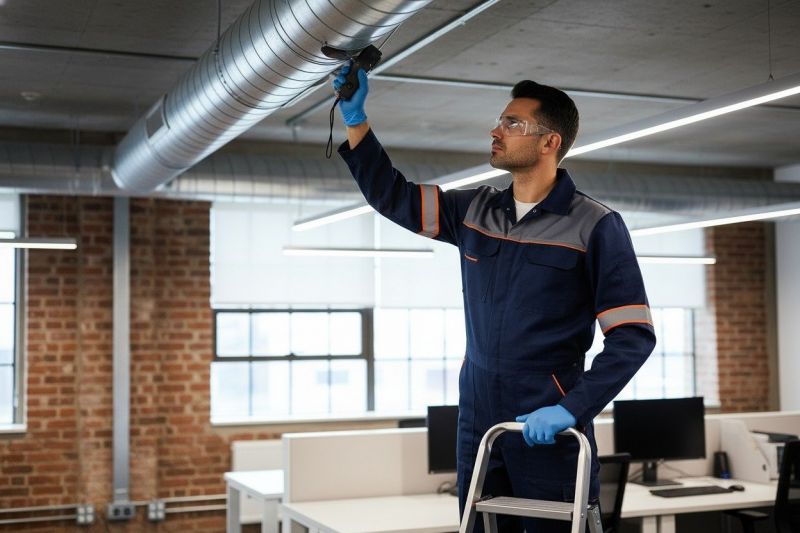
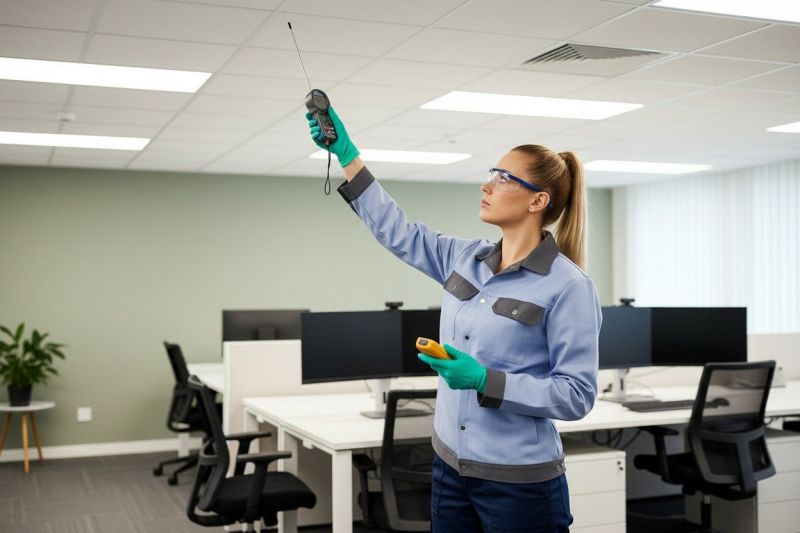
Indoor Air Quality Testing Services Overview
Visitors can learn about indoor air quality testing services and compare local contractors who provide these assessments.
- • Residential property owners seeking to improve indoor air quality through professional testing services.
- • Commercial building managers looking to identify airborne contaminants and ensure a healthier environment.
- • Homeowners interested in comparing local indoor air quality testing providers to find trusted service options.
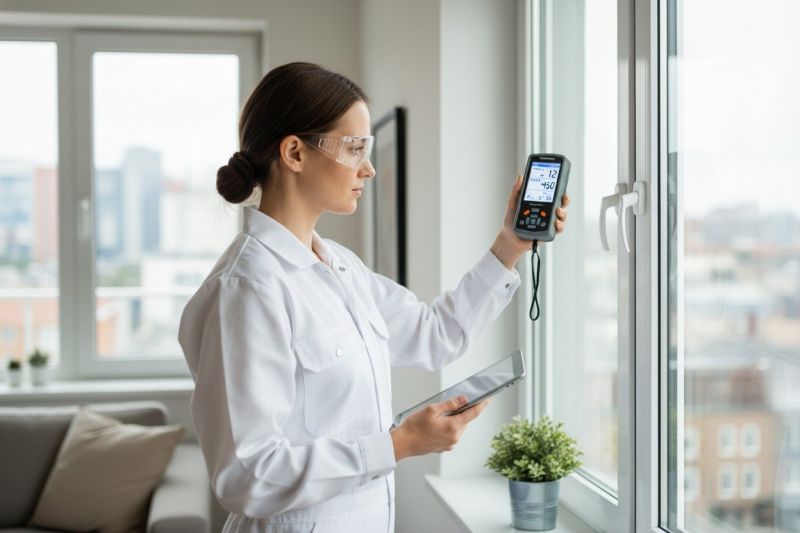
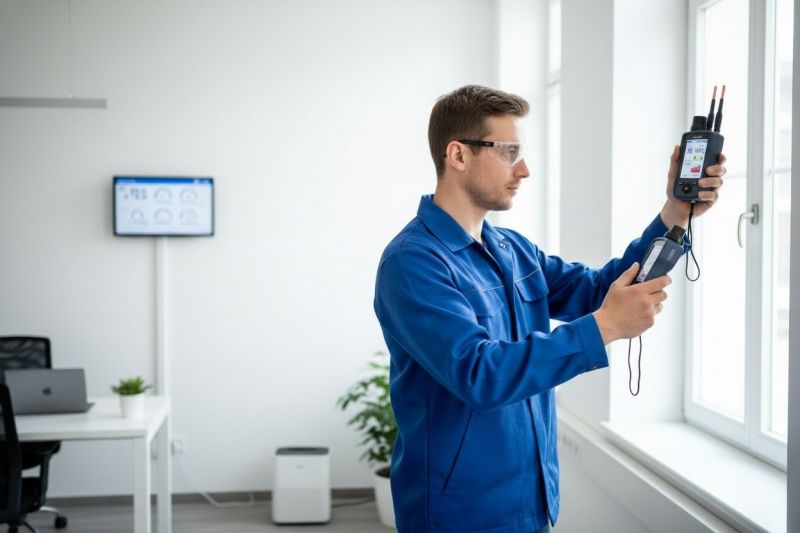

Indoor air quality testing services involve assessing the levels of pollutants, allergens, and other airborne particles within a property. Property owners often seek these services when experiencing symptoms related to poor air quality, noticing unusual odors, or suspecting mold, dust, or other contaminants in their environment. Local contractors who specialize in air quality testing typically use specialized equipment to evaluate indoor conditions, providing insights that can help identify potential health risks and determine if further remediation or ventilation improvements are needed.
These services are commonly requested by homeowners, property managers, or business owners aiming to maintain a safe and comfortable indoor environment. The professionals handling these tests are familiar with various building types and common issues that can affect air quality. When reaching out to local service providers, property owners can expect thorough assessments and detailed reports that highlight any concerns, along with recommendations for addressing potential problems.
This guide provides an overview of indoor air quality testing to help homeowners understand what to expect and how to evaluate local service providers. It offers helpful tips for comparing different contractors in your area and preparing for your air quality assessment. By using this information, you can make informed decisions when connecting with local indoor air quality specialists.